 English
 Arabic

What Is Mouse Serum and When Is It Used in Research?
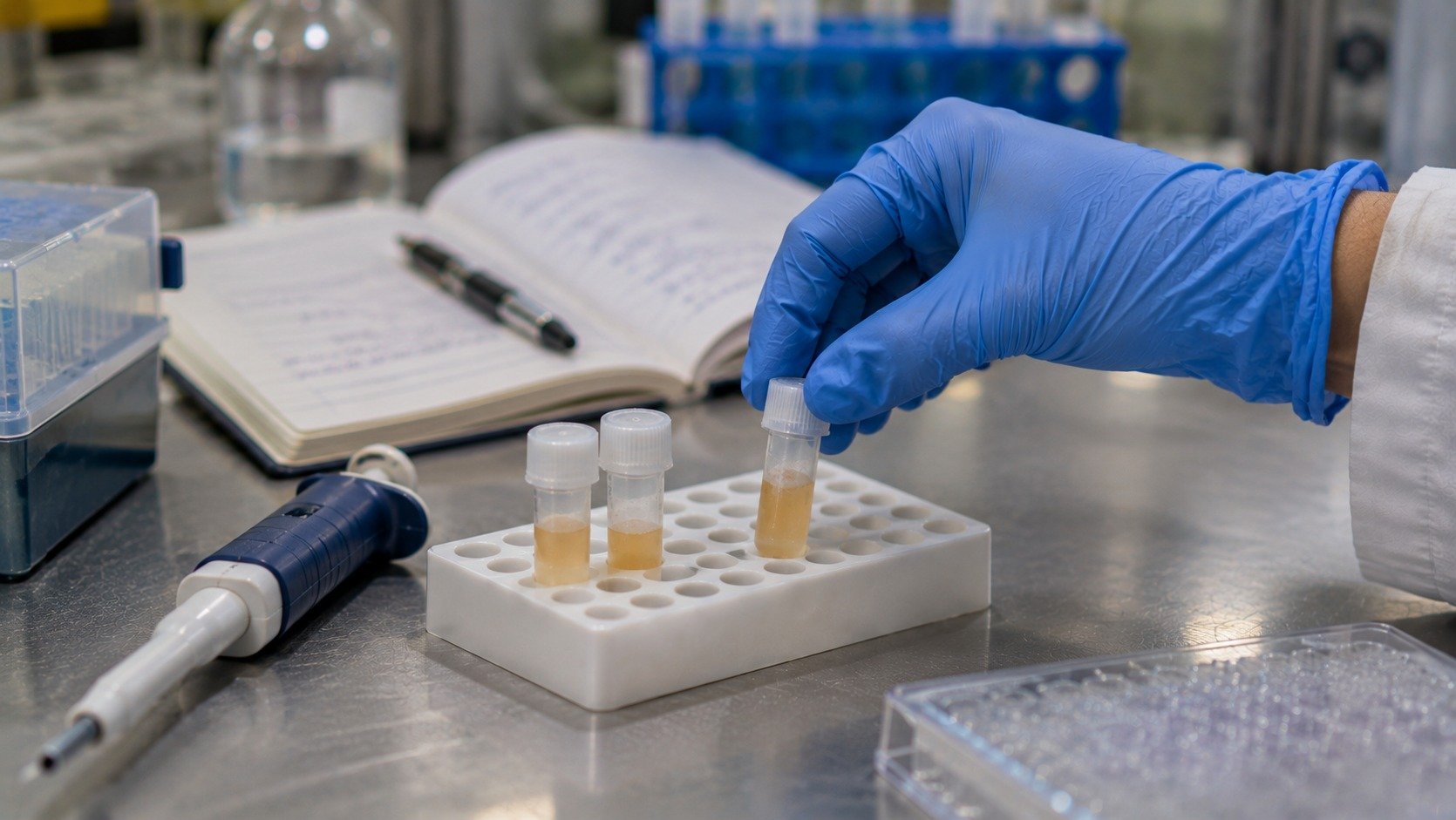
Mouse serum is the amber, protein-rich fluid that separates from mouse blood after it clots. You will find it in immunoassays, flow cytometry panels, bioanalytical methods, and murine cell culture work. Because it matches the biology of your mouse models, it fills gaps that serum from other species cannot cover.
In this guide, you will learn what the serum contains and how it differs from mouse plasma. You will also see where researchers use it and which specifications deserve your attention. Finally, you will get practical guidance for choosing the right format for your next project.
What Mouse Serum Contains and How It Differs From Plasma
Mouse serum carries the same soluble proteins that circulate in a living mouse, minus the clotting factors. Albumin makes up the largest share, while immunoglobulins, hormones, growth factors, and complement proteins fill out the rest. Together, these components give the serum its value as a species-matched research reagent.
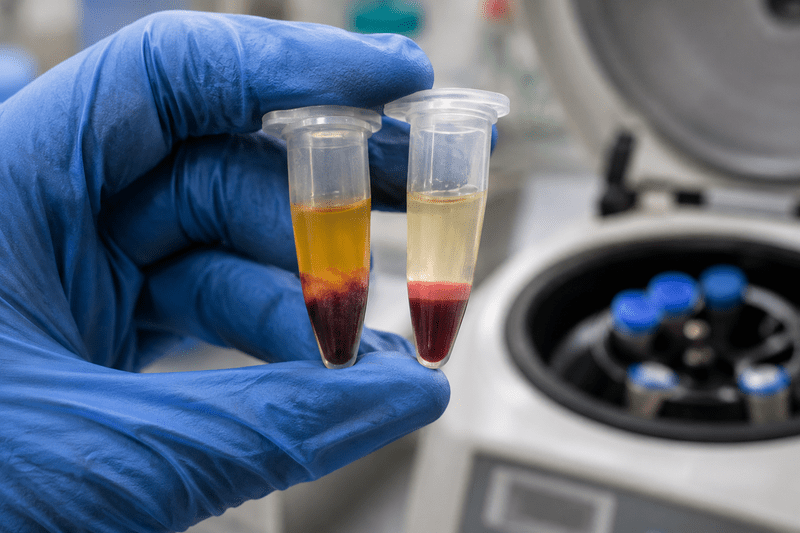
Mouse plasma, by contrast, comes from blood treated with an anticoagulant such as ethylenediaminetetraacetic acid (EDTA) or heparin. As a result, plasma keeps fibrinogen and other clotting proteins that serum loses during coagulation.
| Feature | Serum | Plasma |
|---|---|---|
| How you collect it | Blood clots before separation | Anticoagulant prevents clotting before separation |
| Clotting proteins | Removed with the clot | Retained, including fibrinogen |
| Common research uses | Blocking, controls, assay matrices | Coagulation studies, assay matrices |
The choice between the two depends on whether clotting factors would help or interfere with your assay. For example, coagulation studies need plasma, whereas many antibody and immunoassay protocols call for serum. You can explore the full comparison in our guide on plasma vs. serum and their laboratory roles.
Mouse serum also differs from serum products made from larger animals such as cattle, goats, or horses. Each mouse yields only a small blood volume, so producers pool collections from many animals. Consequently, it costs more per milliliter, and careful lot selection protects your budget and results.
Common Research Applications for Mouse Serum
Mouse serum appears in a wide range of protocols across immunology, pharmacology, and cell biology. In most cases, you choose it because your samples, cells, or antibodies come from mice. Matching the species keeps your background low and your results closer to the biology you study.
Researchers rely on normal mouse serum for several recurring tasks in the lab. Among the most frequent applications, you will see it used in these ways:
- You add it to antibody diluents to reduce nonspecific binding during staining and immunoassay steps.
- You use it as a blank matrix to build calibration standards for bioanalytical and pharmacokinetic assays.
- You supplement media with it when murine cells perform better with species-matched growth factors and proteins.
- You run it as a normal serum control to set baselines in antibody detection assays.
For instance, according to a lentiviral vector protocol, researchers added sterile Equitech-Bio serum to their antibody diluent buffers. Similarly, according to a mass spectrometry method study, investigators sourced mouse serum and plasma from Equitech-Bio for an indole assay. Both examples show how a dependable serum source supports reproducible methods across different workflows.
Key Specifications to Check Before You Order
Not every vial of mouse serum performs the same way, so you need to read each data sheet closely. Collection details, processing steps, and testing records all shape how a lot behaves in your assay. Therefore, you should confirm these factors before you commit a full study to one supplier.
Start with the source animals, since strain, age, and sex can influence serum composition. Equitech-Bio, for example, collects its sterile serum from 8 to 12 week-old Non-Swiss Albino mice. Next, check the hemoglobin level, because hemolysis can interfere with colorimetric and enzymatic readouts.

Sterility and viral testing matter too, especially when the serum enters cell culture or live-cell assays. Equitech-Bio sterile-filters the serum to 0.2 microns and screens it for mousepox and lymphocytic choriomeningitis virus. In addition, low-endotoxin and heat-inactivated options suit immune assays and cell-based work that demand tighter control.
Finally, plan your storage, because frozen serum stays stable longest when you avoid repeated freeze-thaw cycles. Aliquoting each new bottle on arrival protects the lot and keeps your experiments comparable over time.
Find the Right Mouse Serum for Your Next Study
Mouse serum gives you a species-matched tool for blocking, calibration, controls, and murine cell culture. When you understand how it differs from plasma, you can pick the right material for each protocol. Careful attention to specifications then protects your data from avoidable variability between lots.
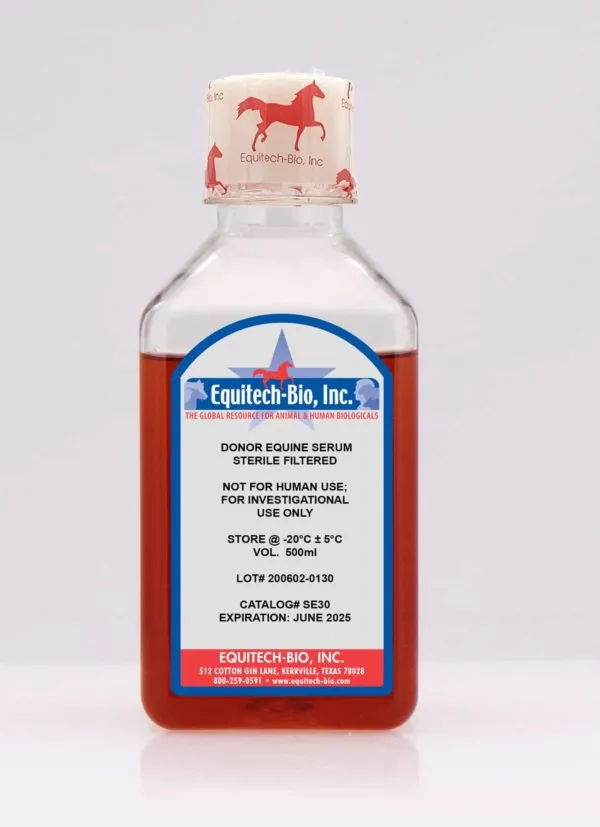
Kerrville-based Equitech-Bio supplies sterile, non-sterile, and low-endotoxin mouse serum alongside a broad range of animal serum products. Our team can also help you match mouse plasma, mouse immunoglobulin G (IgG), or anti-mouse antibodies to your workflow. Contact our specialists today to discuss the serum format that fits your research plan.

Frequently Asked Questions About Mouse Serum
Researchers new to murine reagents often share the same questions about sourcing, handling, and use. The answers below address the points that come up most during product selection. Use them as a quick reference whenever you plan purchases for your murine research.
What Is Normal Mouse Serum?
Normal mouse serum comes from healthy mice that no one has immunized or exposed to infectious agents. Researchers use it as a baseline reagent for blocking, controls, and species-matched assay matrices.
Should You Use Sterile or Non-Sterile Mouse Serum?
Choose sterile-filtered serum for cell culture, while non-sterile serum works for many immunoassays and bioanalytical methods. Check your protocol first, since some downstream steps demand a sterile starting material.
How Should You Store Serum Products?
Store frozen serum at minus 20 degrees Celsius and avoid repeated freeze-thaw cycles to protect protein quality. Under those conditions, Equitech-Bio rates the serum as stable for at least three years.



 English
 Arabic